

Quick Summary
AI is transforming food supply chain management by improving forecasting, inventory planning, supplier tracking, procurement accuracy, and logistics visibility. Businesses now use real-time data and predictive analytics to reduce waste, respond faster to disruptions, and improve operational performance across food distribution networks. AI also strengthens traceability in food supply chain operations, helping companies monitor product movement, supplier reliability, and compliance requirements more effectively. As supply chains become more complex, AI helps businesses make informed decisions with greater speed and accuracy.
Food businesses manage a constant flow of inventory, supplier coordination, transportation timelines, pricing shifts, and customer demand. As operations become more connected across global markets, companies are turning to AI in food supply chain operations to improve visibility, reduce delays, and make faster decisions with better data.
AI-driven systems help businesses analyze demand patterns, monitor supplier performance, improve traceability in food supply chain operations, and strengthen logistics planning.
Instead of relying on delayed reports or manual tracking, supply chain teams now use real-time insights to improve operational efficiency across sourcing, warehousing, procurement, and food distribution networks.
Why AI Matters in Modern Food Supply Chains
Food supply chains involve thousands of moving parts that shift daily. Demand changes quickly, suppliers face disruptions, transportation costs fluctuate, and product shelf life creates constant pressure across operations. Traditional systems often struggle to keep pace with this level of complexity.
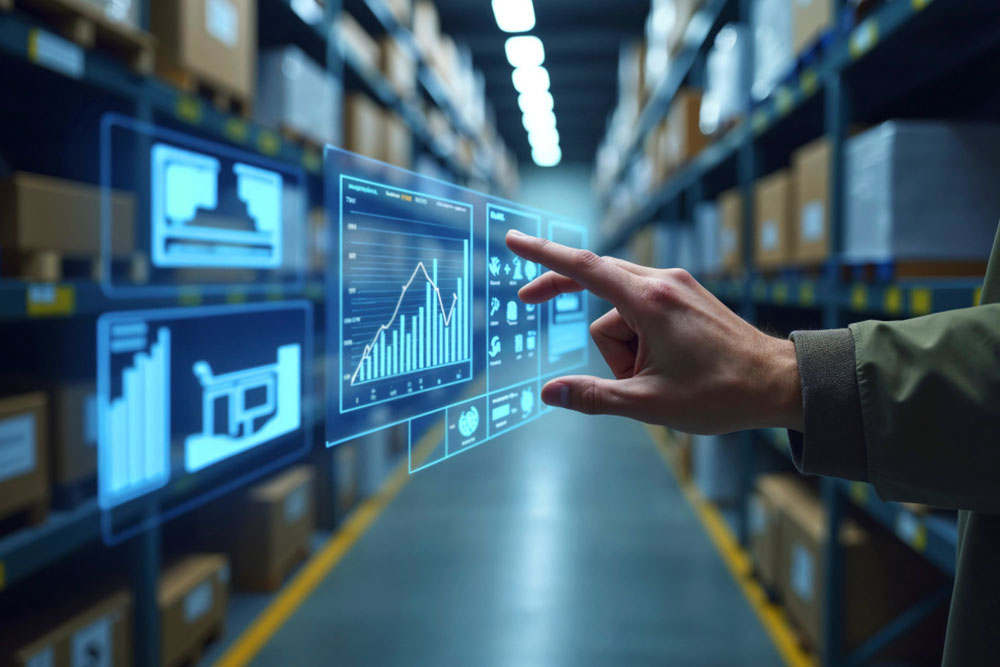
AI changes that process by analyzing large volumes of operational data in real time. Instead of manually reviewing spreadsheets or waiting for end-of-month reporting, teams receive immediate visibility into inventory movement, supplier activity, purchasing trends, and logistics performance.
This level of visibility allows companies to act earlier, reduce inefficiencies, and improve coordination between departments involved in food supply chain management.
AI Improves Demand Forecasting Accuracy
Forecasting remains one of the most difficult areas within food distribution and procurement. Ordering too much inventory leads to spoilage and storage challenges. Ordering too little creates stock shortages that affect customer relationships and sales performance.
AI forecasting systems analyze historical sales, seasonal demand patterns, menu trends, regional buying habits, and purchasing activity to predict future demand more accurately.
Instead of relying only on past assumptions, procurement and operations teams gain insights based on current market behavior. This allows businesses to:
- Reduce excess inventory
- Improve purchasing accuracy
- Lower spoilage rates
- Manage warehouse space more efficiently
- Prepare for demand spikes before they happen
This approach becomes particularly valuable for temperature-sensitive goods and products with shorter shelf lives.
Inventory Management Becomes More Efficient
Inventory control directly impacts profitability across food supply chains. Poor inventory management creates waste, storage congestion, and inconsistent order fulfillment.
AI systems monitor inventory turnover, expiration timelines, storage conditions, and purchasing behavior continuously. This allows teams to identify products moving too slowly or items approaching expiration before losses increase.
AI also helps businesses establish more accurate reorder points based on actual consumption patterns rather than fixed manual estimates.
For food logistics services, this creates several operational improvements:
- Better warehouse utilization
- Reduced product waste
- Faster inventory movement
- Improved order planning
- Greater alignment between procurement and distribution teams
Warehousing teams gain clearer visibility into inventory conditions while procurement departments make purchasing decisions based on current operational data.
AI Strengthens Traceability in Food Supply Chain Operations
Traceability in food supply chain operations has become increasingly important due to food safety regulations, supplier accountability, and customer expectations surrounding transparency.
AI-powered tracking systems allow businesses to monitor products throughout the supply chain, from raw ingredient sourcing to final delivery. These systems collect and organize information related to:
- Supplier sourcing records
- Shipment timelines
- Product handling conditions
- Batch tracking
- Inventory movement
- Transportation status
When an issue occurs, businesses can quickly identify affected products and trace them back through the supply chain.
This visibility helps reduce delays during recalls, strengthens compliance processes, and improves confidence across supplier relationships.
AI also helps identify recurring supplier issues over time by analyzing delivery consistency, quality concerns, and fulfillment accuracy across multiple shipments.
Supplier Performance Monitoring Improves Procurement Decisions
Procurement teams manage supplier relationships that directly affect pricing, product quality, delivery timelines, and operational continuity. Manual supplier tracking often leaves gaps in performance visibility.
AI systems evaluate supplier performance continuously using measurable operational data such as:
- Delivery timelines
- Invoice accuracy
- Pricing consistency
- Product quality trends
- Response times
- Order fulfillment reliability
This information helps procurement teams make stronger sourcing decisions based on long-term performance rather than isolated incidents.
Supplier risk becomes easier to identify early, allowing companies to diversify sourcing strategies before operational disruptions escalate.
Food Distribution Networks Gain Better Visibility
Transportation delays and distribution bottlenecks create major challenges for food businesses operating across regional and international markets.
AI helps logistics teams monitor transportation routes, warehouse activity, fuel usage, delivery timing, and freight movement in real time.
Advanced routing systems can analyze:
- Weather conditions
- Traffic patterns
- Port congestion
- Delivery schedules
- Fuel costs
- Carrier availability
This allows logistics teams to adjust transportation plans quickly when disruptions occur.
For businesses involved in food distribution, this level of visibility improves delivery coordination and reduces unnecessary delays across supply chain operations.
AI Helps Reduce Food Waste
Food waste remains one of the largest financial and operational concerns within food supply chain management.
Spoilage often occurs because of inaccurate forecasting, delayed transportation, poor inventory rotation, or limited visibility into storage conditions.
AI helps businesses reduce waste by identifying inefficiencies before products expire or inventory becomes unusable.
Examples include:
- Detecting slow-moving inventory
- Forecasting demand changes earlier
- Improving warehouse rotation strategies
- Monitoring temperature-sensitive products
- Optimizing transportation schedules
This creates operational improvements while also helping businesses reduce unnecessary product disposal and improve sustainability initiatives across the supply chain.
Real-Time Data Creates Faster Decision-Making
One of the biggest operational advantages of AI is speed. Traditional reporting methods often rely on outdated information that arrives after issues have already affected operations.
AI systems process information continuously, allowing teams to respond to operational changes much faster.
Instead of discovering pricing errors weeks later, procurement teams can identify discrepancies immediately. Logistics managers can reroute shipments before delays become larger disruptions. Warehouse teams can address inventory shortages before fulfillment problems occur.
Move Your Food Supply Chain Forward With Smarter Logistics Solutions
At McLane Global, we help businesses navigate modern supply chain challenges through integrated food-grade logistics, warehousing, sourcing, transportation, and inventory visibility solutions. Our team works across domestic and international operations to help businesses improve efficiency, strengthen traceability, and manage complex food distribution networks with greater confidence.
Contact McLane Global today to discuss customized solutions for your evolving food supply chain operations.
FAQ
Frequently Asked Questions
AI improves food supply chain management by analyzing operational data in real time to improve forecasting, inventory planning, supplier tracking, procurement decisions, and logistics coordination.
Traceability in food supply chain operations helps businesses track products from sourcing through final delivery. This improves food safety, recall response times, supplier accountability, and regulatory compliance.
AI identifies inventory inefficiencies, monitors product movement, improves forecasting accuracy, and tracks expiration timelines to help businesses reduce spoilage and excess inventory.
What Is the Difference
What if you could save millions on duties just by choosing the right logistics strategy? With externally found...
Read a full article
What are Fulfillment Services,
Ever wonder how products move seamlessly across borders and arrive in bulk to retailers, distributors, or foodservice operators...
Read a full article
How the Role of
In today’s market, businesses of all sizes face intense pressure to deliver faster, operate more efficiently, and maintain...
Read a full article