

Quick Summary
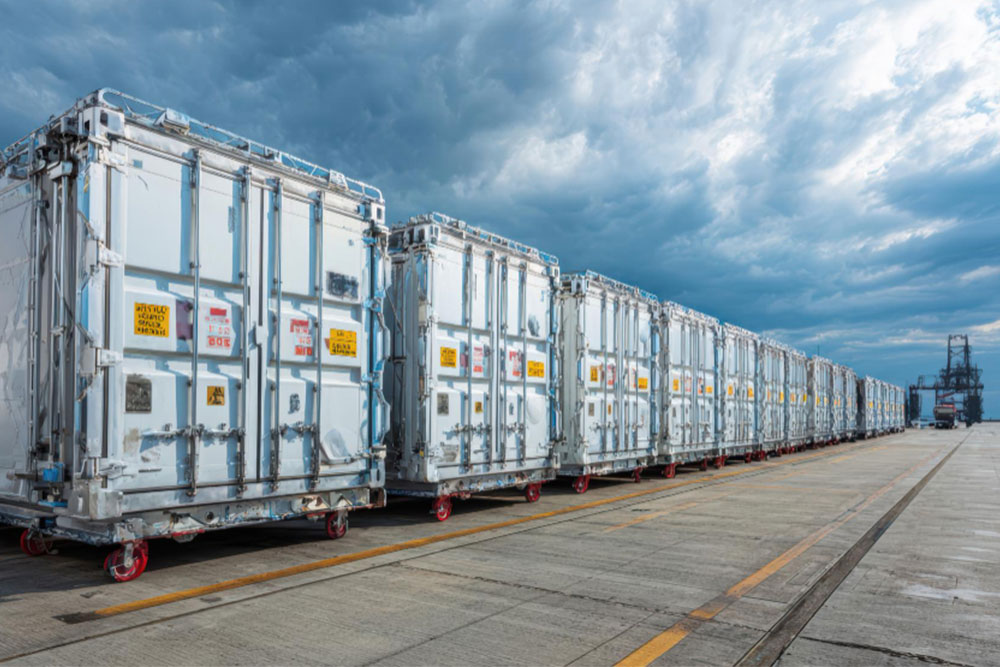
Cold chain requirements shape how temperature-sensitive products move through modern supply chains. Effective cold chain logistics depends on temperature-controlled storage, refrigerated transportation, regulatory compliance, accurate monitoring systems, and strong operational coordination. Businesses handling refrigerated cargo must manage inventory visibility, packaging standards, transportation planning, and real-time data tracking to reduce delays and preserve product quality. As global demand for refrigerated products rises, integrated logistics strategies help companies improve efficiency, maintain compliance, and strengthen long-term supply chain performance. Temperature-sensitive products move through a highly controlled network before they reach retailers, healthcare facilities, restaurants, or consumers. From frozen seafood and dairy products to vaccines and specialty ingredients, cold chain requirements shape how companies store, transport, track, and distribute products across domestic and international markets. A single temperature fluctuation during transit can reduce product quality, shorten shelf life, or create regulatory concerns. As global trade expands and consumer demand rises, businesses must build stronger cold chain logistics strategies that combine accurate monitoring, trained personnel, compliant transportation, and real-time visibility throughout the supply chain.What are Cold Chain Requirements?
Cold chain requirements refer to the operational standards used to maintain temperature-sensitive products throughout the supply chain. These requirements cover storage conditions, transportation methods, packaging, handling procedures, monitoring systems, documentation, and regulatory compliance. Cold chain logistics depends on consistency from origin to destination. Products often travel through warehouses, ports, distribution centers, trucks, containers, and retail facilities before final delivery. Every stage requires temperature control and accurate coordination to preserve product integrity. Businesses handling refrigerated or frozen cargo usually establish strict temperature ranges based on product type. Frozen foods, pharmaceuticals, dairy products, seafood, beverages, and nutritional products all require different environmental conditions during storage and transit.The Connection Between Cold Chain Logistics and Supply Chain Management
A strong understanding of the supply chain logistics definition helps companies recognize the role cold chain operations play within larger distribution networks. Supply chain logistics involves the movement, storage, coordination, and delivery of goods across the supply chain. Cold chain logistics focuses specifically on products that require temperature-controlled handling. This segment of logistics demands tighter operational control than traditional freight movement. Refrigerated cargo depends on specialized equipment, route planning, inventory visibility, and compliance tracking throughout transportation and warehousing activities. Cold chain operations also require close communication between manufacturers, freight carriers, warehouse teams, customs authorities, retailers, and third-party logistics providers. Delays at ports, traffic congestion, weather conditions, or improper handling can quickly impact shipment quality.Temperature-Controlled Storage Requirements
Storage facilities form one of the most important parts of cold chain logistics. Refrigerated and frozen products must remain within approved temperature ranges from the moment they arrive at a warehouse until outbound transportation begins. Cold storage facilities commonly include ambient, chilled, and frozen environments designed for different product categories. Warehouses handling refrigerated cargo also require reliable airflow systems, calibrated monitoring equipment, organized inventory placement, and sanitation procedures that align with food-grade regulations. Inventory visibility also matters in temperature-sensitive operations. Real-time tracking systems help warehouse teams monitor stock movement, expiration dates, and storage conditions without unnecessary delays or product exposure.Refrigerated Transportation Requirements
Transportation remains one of the most complex areas of cold chain management because products face constant environmental exposure during transit. Refrigerated transportation depends on specialized trailers, reefer containers, insulated packaging, and route coordination. Reefer containers maintain stable temperatures during ocean freight movement and domestic transportation. Different container types also accommodate different weight capacities depending on cargo specifications. For example, refrigerated containers generally carry less freight than dry containers because cooling systems increase cargo weight. Shipment planning must account for these operational limitations before transportation begins. Cold chain transportation also includes drayage operations, which move freight between ports, terminals, warehouses, and distribution facilities. Delays during drayage can expose refrigerated shipments to temperature fluctuations and rising storage costs. Logistics teams must also account for factors such as: Fuel surcharges
 Fuel surcharges
 Chassis availability
Drop fees
Port congestion
Customs clearance timelines
Reefer fuel requirements
Driver scheduling
Every transportation decision affects product quality, delivery timelines, and operational costs.
The Role of Monitoring and Data Systems
Cold chain logistics relies heavily on data visibility and monitoring technology. Temperature-sensitive freight cannot move efficiently through modern supply chains without accurate reporting systems. Real-time monitoring devices track product temperatures throughout transportation and storage. These systems alert logistics teams when cargo moves outside approved temperature ranges, allowing faster corrective action. Data analytics also helps logistics providers improve operational planning. Historical shipping patterns, weather forecasts, route conditions, and infrastructure data all influence transportation decisions. Advanced monitoring platforms allow businesses to:- Track shipment locations in real time
- Review temperature history reports
- Improve inventory forecasting
- Reduce shipment delays
- Minimize product loss
- Maintain regulatory compliance
Regulatory Compliance in Cold Chain Operations
Cold chain logistics operates within a heavily regulated environment. Food products, pharmaceuticals, and imported goods often require extensive documentation and compliance verification before shipment approval. Companies managing refrigerated cargo must remain familiar with regulations issued by organizations such as:- Food and Drug Administration (FDA)
- S. Department of Transportation (DOT)
- Transportation Security Administration (TSA)
- International Air Transport Association (IATA)
- S. Customs and Border Protection
- Certificates of Origin
- PHYTO Sanitary Certificates
- Health Certificates
- Certificate Analysis reports
- Legalized export documentation
Common Challenges in Cold Chain Logistics
Cold chain management involves constant operational pressure because even minor disruptions can affect shipment quality. One major challenge involves rising consumer demand for frozen and refrigerated products across global markets. Businesses now transport larger volumes of seafood, dairy, frozen foods, pharmaceuticals, and nutritional products across longer distances than ever before. Driver shortages also create transportation bottlenecks throughout the logistics industry. Limited driver availability can delay shipments and increase transportation costs for refrigerated freight. Additional cold chain challenges include:- Weather disruptions
- Equipment malfunctions
- Port congestion
- Regulatory changes
- Inventory fluctuations
- Fuel cost increases
- Seasonal demand spikes
- Packaging limitations
Ready to strengthen your cold chain operations?
Partner with McLane Global for integrated warehousing, refrigerated transportation, inventory visibility, sourcing, and logistics solutions tailored to your supply chain goals. From import and export coordination to temperature-sensitive freight management, our team helps simplify complex operations so your products move efficiently across every stage of the supply chain. Contact McLane Global today to discuss a customized logistics strategy for your business.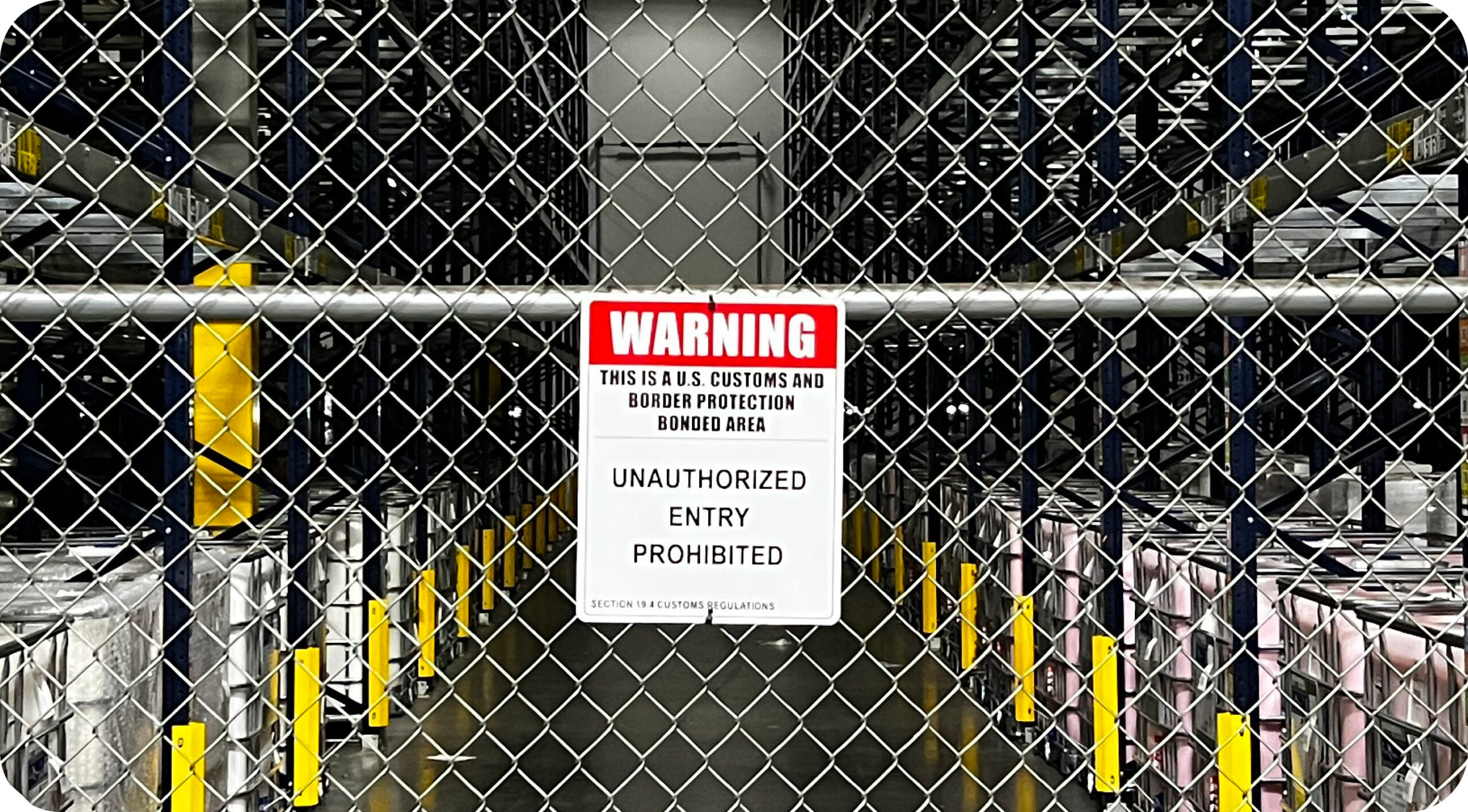
What Is the Difference
What if you could save millions on duties just by choosing the right logistics strategy? With externally found...
Read a full article
What are Fulfillment Services,
Ever wonder how products move seamlessly across borders and arrive in bulk to retailers, distributors, or foodservice operators...
Read a full article
How the Role of
In today’s market, businesses of all sizes face intense pressure to deliver faster, operate more efficiently, and maintain...
Read a full article